


Kyrgyzstan Trekking Tours – Hiking the Tien Shan Mountains and Alpine Lakes
For many travelers, Kyrgyzstan is associated first of all with open landscapes and a strong presence of mountains. Nature is not a backdrop here but the main defining feature of the country. More than 90% of the territory consists of mountain terrain, shaping both everyday life and travel opportunities.
Over the past years, the country has become increasingly popular among those who prefer active travel. Visitors are drawn by long valleys, high-altitude lakes, and the opportunity to explore remote areas on foot. This guide explains how trekking in Kyrgyzstan works in practice, what conditions to expect, and how to prepare for mountain routes.
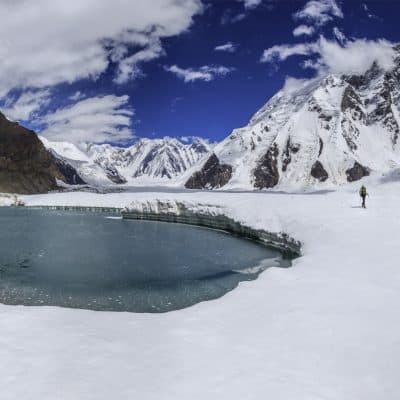
The heart of Kyrgyzstan lies within the Tien Shan mountain system. These ranges stretch across the country and create a complex network of valleys, passes, glaciers, and alpine lakes. Many of these areas remain accessible only by foot or horseback.
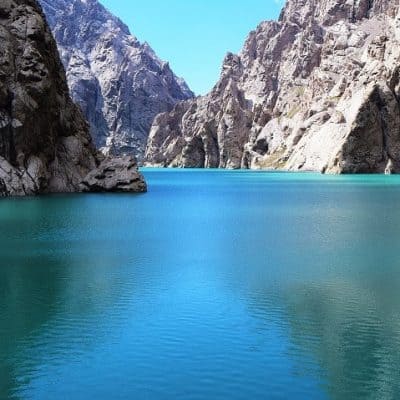
Hiking here follows natural paths shaped by water, livestock movement, and seasonal use rather than engineered trails. Alpine lakes are often located far from settlements, which makes walking the most reliable way to reach them. Because of this, Kyrgyzstan trekking tour packages are typically built around gradual ascents and flexible pacing.
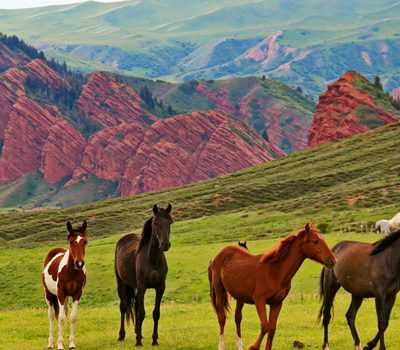
Travelers moving through these regions experience long open spaces, silence, and minimal human impact. Routes often pass summer pastures where shepherds live for months at a time. For those seeking structured support in such conditions, guided trekking tours Kyrgyzstan provide local knowledge of terrain, weather, and safe passage.
Trekking Routes and Destinations in Kyrgyzstan
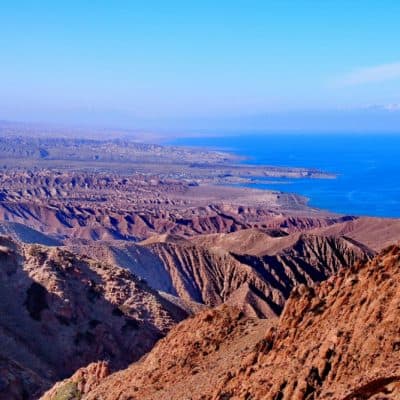
Kyrgyzstan hiking destinations vary widely across the country. Northern regions offer deep gorges and glacier-fed rivers, while eastern routes lead toward high plateaus and remote lakes. Southern areas are higher in elevation and less populated, requiring more careful planning and stronger physical preparation.
When planning a hiking tour in Kyrgyzstan, travelers usually consider:
- Distance from main roads.
- Elevation and altitude gain.
- Weather exposure.
- Permit requirements near borders.
This diversity explains why Kyrgyzstan trekking tours differ greatly in difficulty and atmosphere.
One-Day and Multi-Day Trekking Options
Trekking formats depend on available time and physical preparation. Short routes are suitable for acclimatization or relaxed exploration, while longer routes involve overnight stays and sustained effort. Many Kyrgyzstan hiking tours combine both formats within one itinerary.
One-day hiking routes in Kyrgyzstan usually require minimal equipment and return to accommodation by evening. Multi-day tour routes involve tents or yurts, daily distance planning, and adaptation to altitude. Each option offers a different rhythm of travel.
Best Season and Weather Conditions for Trekking
The main trekking season lasts from June to mid-September. During this period, snow retreats from most passes, and trails become accessible. Outside this season, weather instability limits travel. For this reason, hiking tours Kyrgyzstan are concentrated in the summer months.
Mountain weather is unpredictable. Warm daytime temperatures can quickly drop at night, especially above 3000 meters. Rain, wind, and sudden fog are common and should always be expected.
Accommodation During Trekking – Camps, Yurts, and Guesthouses
Accommodation options during trekking are flexible. Camping is allowed in most areas outside protected zones, particularly near rivers and pastures. Many of the best hikes Kyrgyzstan include overnight stays near shepherd camps.
In addition to tents, travelers may stay in seasonal yurt camps or small guesthouses in mountain villages. Some choose to spend time with shepherd families, observing daily routines and traditional hospitality.
Preparation, Equipment, and Safety in the Mountains
Preparation plays a crucial role in mountain travel. While routes are rarely technical, conditions require physical readiness and awareness. Kyrgyzstan hiking mountains demand respect for altitude, weather, and distance.
Essential considerations include:
- Layered clothing for temperature changes. In Kyrgyzstan tour conditions, daily temperature shifts can be significant, especially above 3,000 meters, where warm daytime weather often turns into cold evenings and nights.
- Lightweight backpacks. Reducing pack weight helps conserve energy on long ascents and descents, where even a small excess load becomes noticeable after several hours of walking.
- Trekking poles for balance. On longer mountain routes, especially during extended hiking sections of a tour, poles reduce strain on the knees and provide stability on loose gravel, steep slopes, and river crossings.
- Adequate fitness. Continuous elevation gain and long distances during a Kyrgyzstan trip require basic endurance, even on routes considered moderate by local standards.
- Awareness of limited mobile coverage. Many highland areas have no signal or electricity, making route planning and communication planning essential before departure.
During a Kyrgyzstan mountain tour, wildlife encounters during hiking are rare but possible, especially in remote areas, which is why staying on established paths and respecting the natural environment remains important.
Permits, Border Areas, and Travel Planning
Certain trekking regions are located within border zones. Access to these areas requires special permits arranged in advance. Any Kyrgyzstan trekking trip should account for this administrative step during planning.
Some national parks also charge entrance fees. Early route selection helps avoid delays and ensures legal access to all planned areas.
Join a Guided Trekking Tour in Kyrgyzstan with Travel Land
Organized trekking can be useful in regions where logistics, permits, or local route knowledge play a decisive role. A Kyrgyzstan trekking travel format supported by local expertise helps reduce uncertainty in remote mountain areas. This approach is especially relevant where infrastructure is minimal and natural conditions change quickly. Local coordination often determines whether a route remains accessible or needs adjustment.
A Kyrgyzstan hiking trip may combine long walking days with informal cultural contact in rural areas. Encounters with shepherds, short stays in villages, or shared meals often happen naturally along the route. These elements are not staged and depend largely on timing and location.
Some travelers prefer predefined structures and clear daily planning through Kyrgyzstan hiking tour packages. Such formats typically define distances, overnight locations, and transport in advance. This can be helpful for visitors unfamiliar with regional geography or altitude conditions.
In broader itineraries, trekking is sometimes included as one element of Kyrgyzstan outdoor adventure tours. These programs may combine walking routes with horseback travel or cultural segments. The balance between physical activity and exploration varies by region and season.
For deeper immersion in mountain environments, multi day trekking Kyrgyzstan allows sustained exposure to changing landscapes and altitude. Daily rhythm, weather, and distance become central factors shaping the overall experience.