

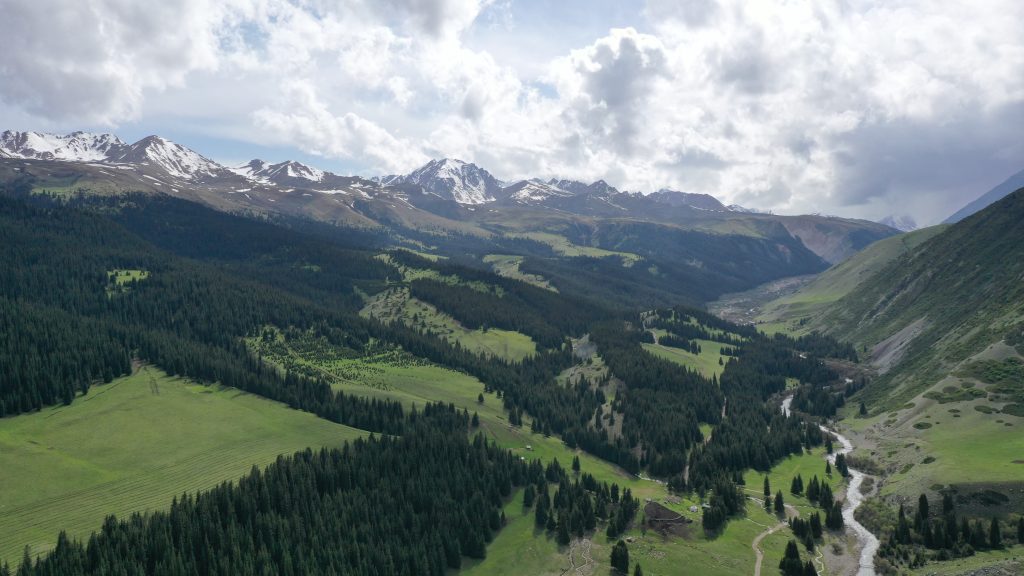
Central Asia is not a single destination but a region that stretches across several countries with very different landscapes and cultural patterns. Mountains, deserts, steppes, and remote valleys shape how people move through space here. Distances are long, roads are not always predictable, and transport connections between key locations are often limited.
At the same time, interest in the region continues to grow. More travelers are choosing an organized itinerary as a way to navigate unfamiliar conditions without losing access to remote places. This article looks at different ways to approach journeys in the region and explains how to choose a suitable format.
Group vs private tours in Central Asia
A group format brings together several travelers who follow a shared route with fixed timing and logistics. A private option is built around one person or a closed circle, allowing adjustments along the way. Both approaches exist across the Central Asian region, and both are shaped by the same regional constraints.
The difference is not only about comfort. It affects pacing, interaction, and how flexible the itinerary can be once it begins. Understanding central Asia group vs private tours helps clarify why the same destination can feel very different depending on how it is organized.
Group or private tours in Central Asia: how to choose the right option
Before choosing a format, it helps to look at practical factors that shape the experience:
- Independence. A structured group itinerary limits spontaneous decisions but reduces uncertainty. A more individual approach allows changes but requires awareness of distances and timing.
- Route flexibility. Fixed routes simplify logistics. In contrast, custom planning makes it possible to adjust stops.
- Time control. Shared schedules define when to move and when to stay. An individual rhythm gives more control but also requires coordination with drivers and guides.
- Social factor. Some travelers value interaction, while others prefer a quieter journey experience focused on observation rather than conversation.
The question of central Asia group or private tours is not about better or worse, but about alignment with expectations. In some cases, travelers also compare central Asia small group or private tours, especially when looking for a balance between structure and flexibility.
Advantages of group tours in Central Asia
If you look at how most people first experience the region, structured routes still dominate. On TRVLLAND, these include clearly defined itineraries like Uzbekistan (Tashkent–Samarkand–Bukhara–Khiva), multi-country Silk Road journeys (Uzbekistan–Kazakhstan–Kyrgyzstan), and Pamir Highway routes in Tajikistan. This structure brings several clear advantages:
- Lower overall cost. Shared transport and guides significantly reduce expenses. This becomes especially noticeable on longer multi-country Silk Road and Pamir Highway trips.
- Clear route structure. You follow established маршруты like the classic Uzbekistan circuit or combined Kyrgyzstan–Kazakhstan journeys. There is no need to constantly rethink the plan.
- Simplified logistics. Complex elements like border crossings and long-distance movement are pre-arranged. This is particularly valuable on cross-border and remote routes such as Tajikistan’s Pamirs.
- Safety and predictability. You always know what comes next, which reduces uncertainty. This matters most on remote маршруты and multi-country itineraries.
- Social interaction. Groups are usually small, making communication natural. This is common on yurt stays in Kyrgyzstan and longer Silk Road journeys.
- Guide support. Guides add context, not just direction. Cities like Samarkand and Bukhara become more meaningful with expert explanation.
All of this comes with trade-offs. The structure makes movement easier, but it also limits flexibility, this is the core of the pros and cons of group tours in Central Asia.
Advantages of private tours in Central Asia
A custom format in the Central Asian region usually starts from the same route logic as group travel, but becomes more adjustable. On Travel Land, this includes itineraries like the 22-day «Five Stans» tour, the 15-day «Heart of Central Asia», and combined Kyrgyzstan–Kazakhstan or Uzbekistan-focused routes that can shift along the way. In practice, the benefits of private tours in Central Asia become clear through several key aspects:
- Flexible routes. On routes like the «Five Stans» itinerary, travelers can adjust time between countries or regions. This is one of the core central Asia private tours advantages, where the plan adapts without losing structure.
- Personalized planning. Trips such as «Heart of Central Asia» or Kyrgyzstan-focused tours can emphasize either mountain landscapes or Silk Road cities. The itinerary is shaped around one priority instead of covering everything evenly.
- Adaptable pace. Without a group schedule, timing can shift naturally during long overland journeys. This is especially noticeable on multi-country routes or in slower mountain regions like Kyrgyzstan.tra
- Comfort and route balance. Accommodation varies depending on the route, from hotels in cities like Tashkent to yurts in Kyrgyzstan. This flexibility is common across longer itineraries like the «Five Stans».
- Access to extended itineraries. Custom trips make it easier to combine routes such as Kyrgyzstan–Kazakhstan or full Silk Road journeys. Duration and direction can be adjusted without rebuilding the entire itinerary.
What stands out is how flexibility changes the rhythm of the journey. The advantages of custom tours in Central Asia are less about comfort alone and more about reshaping the journey without losing its overall structure.
Cost, flexibility, and experience: key differences explained
The difference in cost between formats is usually the first thing travelers notice. A shared tour distributes expenses across several people, while a guided option concentrates them. However, this comparison is not always straightforward. Longer routes, remote transport, and seasonal demand can change the balance.
Flexibility is another layer. A fixed structure reduces uncertainty but limits adjustments. In contrast, an individual plan allows changes but depends on availability and timing. This directly affects the overall experience.
The depth of the trip also varies. A structured route may cover more locations efficiently. A flexible approach may spend more time in fewer places. These differences shape what many describe as the pros and cons of private tours in central Asia, where freedom comes with added responsibility.
Which travel format is best for your travel style
Different types of travelers approach central asia with different expectations. Someone traveling alone may prefer a small structured group to reduce logistical complexity. A couple might choose a custom route for a more controlled pace.
Friends traveling together often look for a balance between shared experience and flexibility. First-time visitors may prioritize predictability, while experienced travelers might lean toward an individual plan. In this context, the idea of a single central asia best travel format does not really apply.
What matters is alignment. The benefits of individual tours in central Asia become clear when independence is a priority.
Plan your Central Asia trip with Travel Land expert support
Planning a trip across central asia often involves more than choosing destinations. Local conditions, seasonal changes, and access rules can influence the route. This is where practical knowledge becomes important.
Local expertise helps with tour adjustments, timing, and understanding how different regions connect. It also supports decisions about format, especially when balancing distance and available time. In many cases, it becomes easier to compare options and understand how each itinerary structure works in practice.
Logistics, including transport coordination and permits, can shape the final experience as much as the destination itself. This is particularly relevant for remote areas where infrastructure is limited. A well-planned travel approach allows both structured and individual routes to function more effectively, depending on the priorities of the traveler.
The advantages of individual tours in central Asia are often most visible in these situations, when flexibility in planning directly affects how the journey unfolds in real conditions.
In the end, choosing between formats is less about preference and more about context. The region does not impose a single model, but it does require clarity in planning.