

It is said that women are the backbone of the world. For centuries, Kyrgyz women have stood on equal footing with men, ruling the country, leading the people and making wise decisions.
Women have always played an important role in family and society. They raised children, passed on traditions and taught kindness and honesty. In difficult times, it was women who preserved the unity of the people, supported their loved ones and helped make important decisions. Their wisdom, patience and courage were an example for all generations.
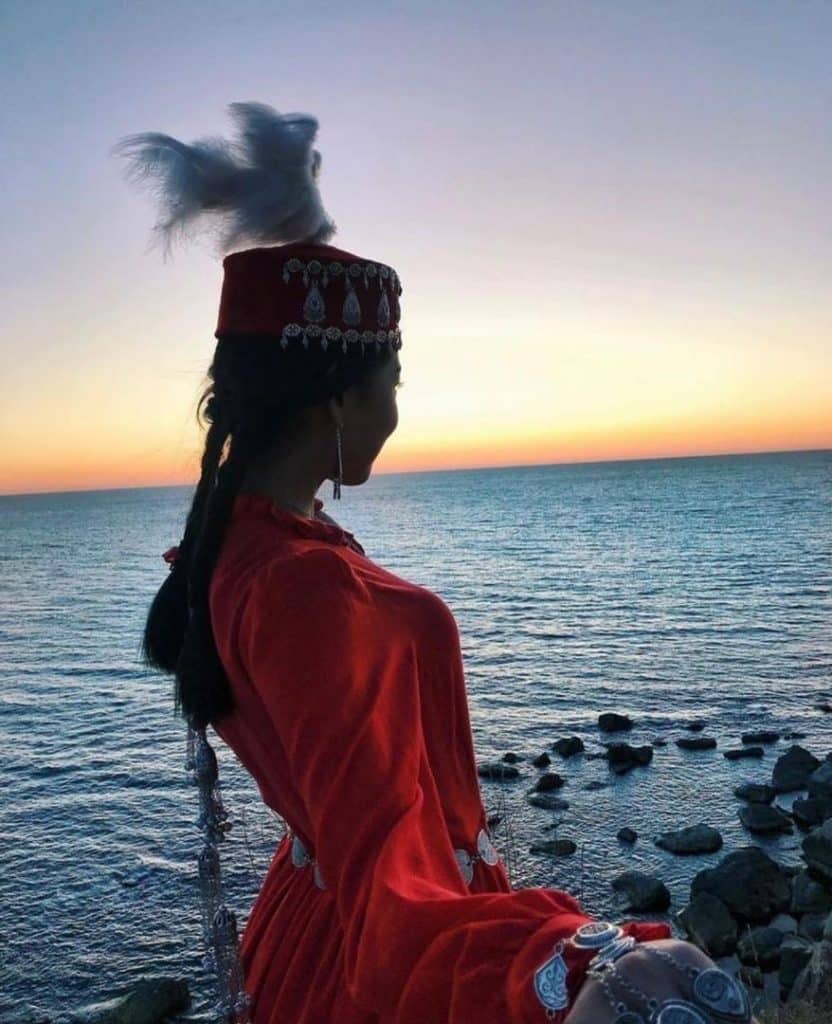
Family and traditions
The family remains a central value.
Traditionally, women are the guardians of the home, comfort and family ties.
However, the modern generation increasingly strives for education, career and independence, combining this with family roles.
Ancient customs are still preserved today:
Kalyn (kalym)
Kalyn is a traditional bride price in Kyrgyz culture. It is a material expression of the groom’s respect and seriousness of intent towards the bride’s family. Kalyn can be money, livestock, horses, gold or other valuable items. The delivery of kalyn usually takes place as follows: the groom or his representatives agree with the bride’s family on the amount of kalyn. Sometimes the kalyn is divided into several parts: money, gifts, livestock. The amount of the kalyn may depend on the social status, education of the groom and the region. A peculiarity of the kalyn is that in modern urban conditions, it is often replaced by symbolic sums of money or gifts.
Ene sutu of the bride
Ene sutu (mother’s milk) is a symbolic tradition. In ancient times, it was believed that a bride who received respect and care would bring prosperity to her husband’s family. In some regions, the groom had to ‘pay’ not only the kalyn, but also gifts associated with the mother’s blessing. In a figurative sense, ‘ene sutu’ is a symbol of care and the transfer of vital energy from the bride’s mother to the new family.
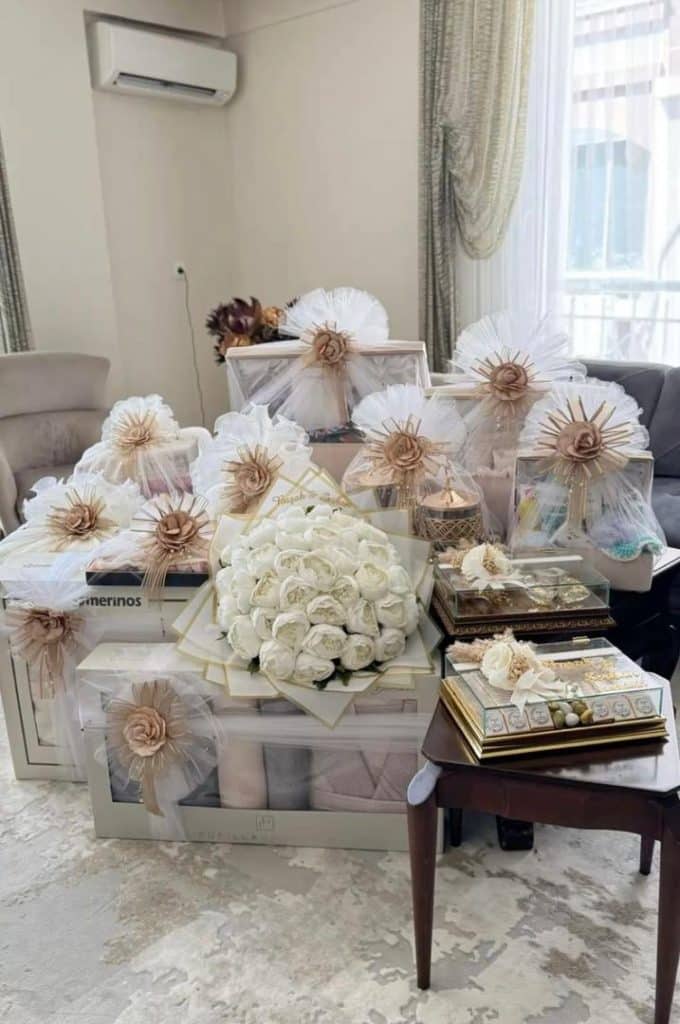
Kyz uzatuu in Kyrgyzstan has a deep meaning and reflects respect for women and their role in society. It is not just a farewell, but a symbol of honour, love and gratitude to the girl who is leaving for a new family.
During the ceremony, parents give bata (blessings), wishing their daughter happiness, harmony and respect in marriage.
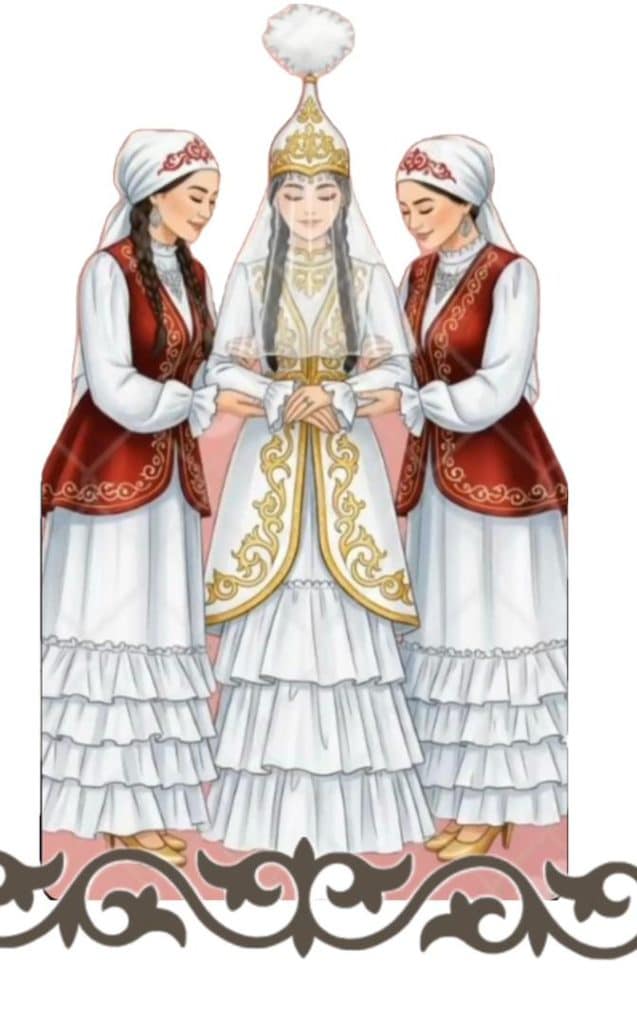
It is not easy to give away a child you have raised to someone else. That is why our people have always performed rituals when marrying off a girl. When a girl got married, five strands of her hair were combed, and her aunts and mother braided two plaits. This is because in the past, hair indicated a girl’s status: a girl with five strands was considered unmarried, and two plaits meant that she was married. Then she was dressed in clothes specially sewn by her mother and adorned with beautiful jewelry.
Soiko saluu
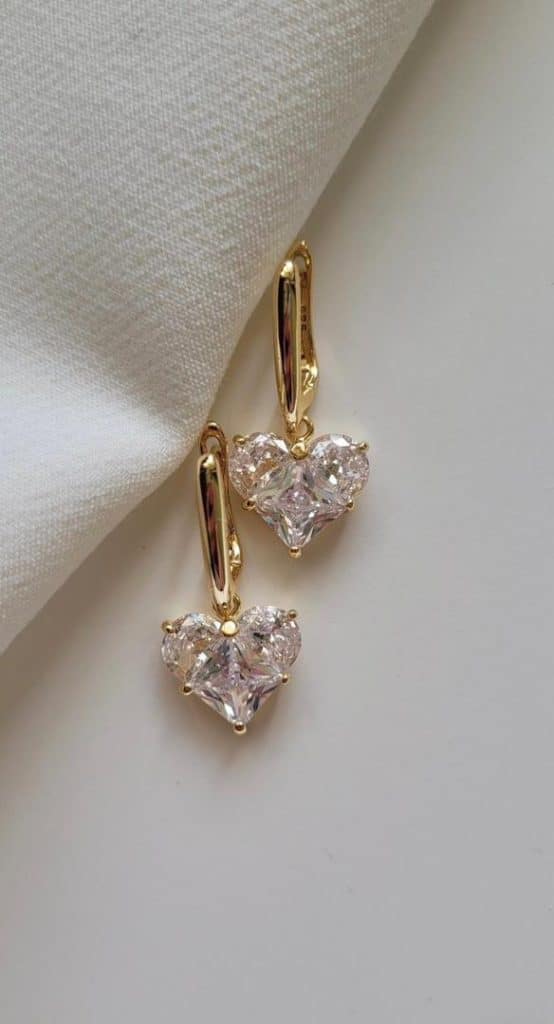
A girl’s destiny is her husband. This saying has long been used to describe every adult Kyrgyz girl. Girls who were intelligent, beautiful and well-educated were particularly in the spotlight. This is a traditional Kyrgyz ceremony signifying a girl’s betrothal, i.e. the moment when a young man and his family officially propose, and the bride’s parents give their consent. The groom’s mother puts gold earrings on the bride, wishing her happiness. This is one of the important stages before the wedding – a symbol of recognition of the future union between the two families.
Dowry of a Kyrgyz girl
What is included in the dowry?
The composition of the dowry may vary depending on the region and the family’s financial situation, but traditionally includes:
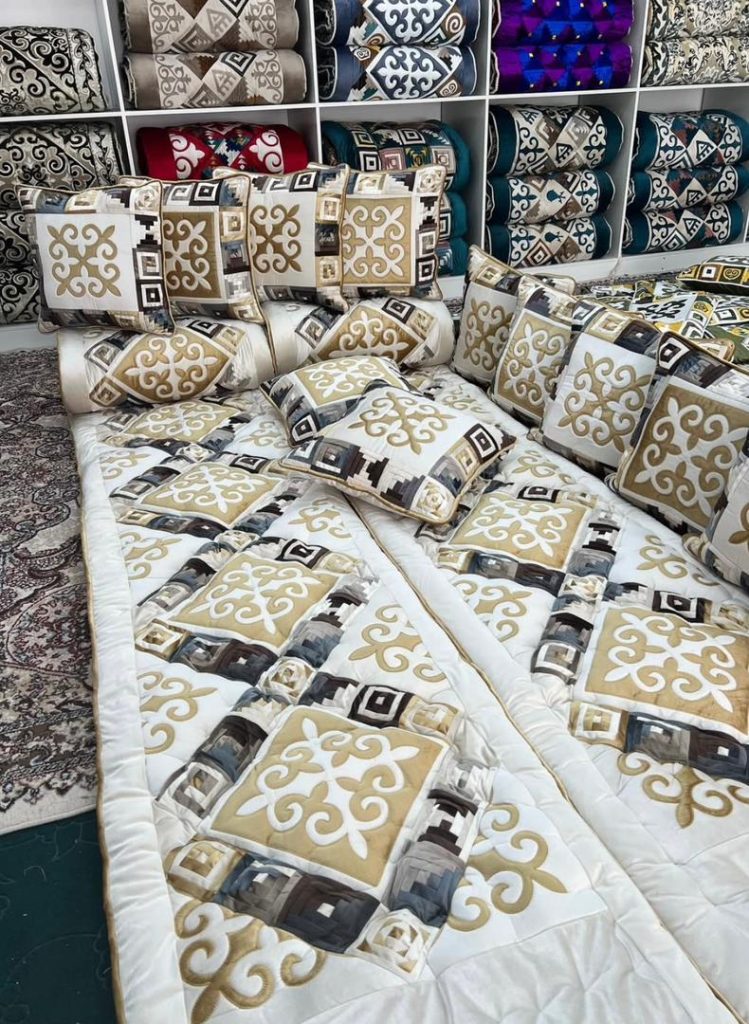
Bedding – blankets, pillows, bedspreads, carpets, sometimes handmade (embroidery, kurpachi – quilted mats). This is a symbol of domestic comfort and feminine care.
The bride’s clothes and jewelry – outfits for different occasions, traditional costumes, silver or gold jewelry. In the past, this was an indicator of family status.
Tableware and household items – tea sets, pots, blankets, towels, sometimes even household appliances (in modern times).
Furniture – a bed, wardrobe, table or even an entire bedroom – a symbol of a new independent life.
Textiles and handicrafts – kurpachy (mattresses), tush kiyiz (wall decorations made of felt), ala kiyiz, shokuluk, etc.
These are not only practical items, but also works of art made with love.
Symbolism
A dowry is not just a collection of items, but a symbol of:
- the mother’s blessing (‘bata’);
- the bride’s family’s respect for the groom’s family;
- the girl’s readiness to become the mistress of her husband’s house.
Often, when the dowry is handed over, wishes for happiness, prosperity and many children are expressed.
Modern changes
Today, the tradition has been preserved, but it has changed:
- in cities, the dowry has become more ‘modern’ (instead of felt carpets, there are household appliances and furniture)
- some families do this more for symbolism and respect for customs than out of practical necessity
- in some families the bride and groom collect everything together, sharing the costs.
Traditional clothing of Kyrgyz women
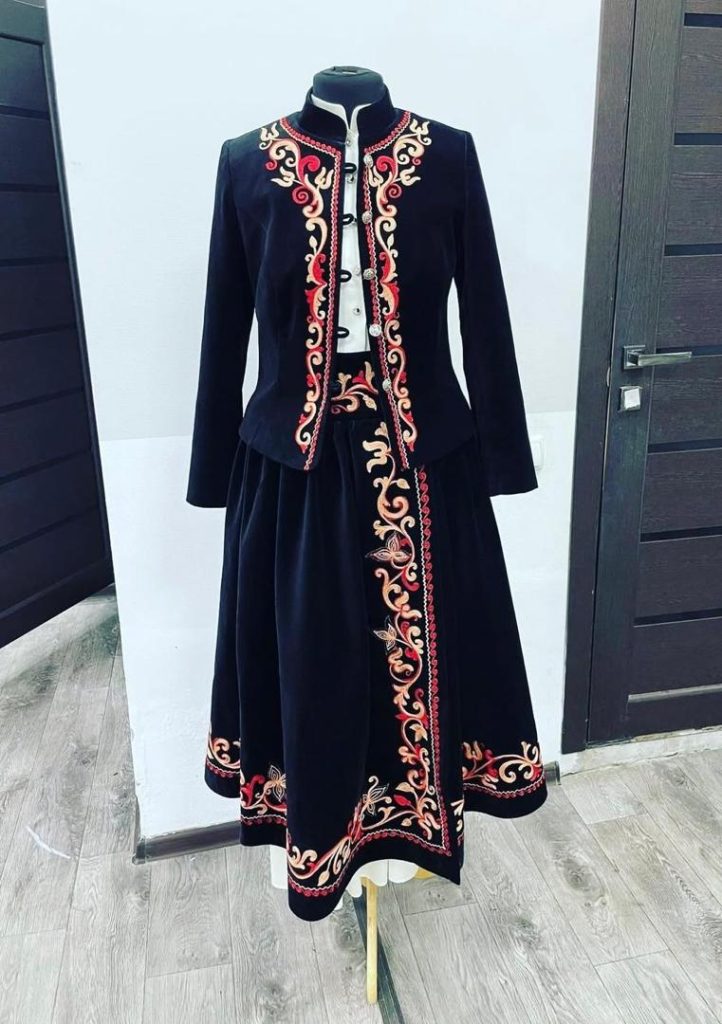
Traditional clothing of Kyrgyz women is an important part of culture, reflecting age, social status, region of residence and even marital status. Each element and ornament has a symbolic meaning. Below are the main types of clothing and the meaning of the patterns (ornaments).
Types of national clothing for Kyrgyz women:
Koynok (dress):
Basic everyday and festive clothing. Made of cotton, silk or velvet. Married women often wear closed dresses with long sleeves and high collars, while young women wear lighter, brighter dresses.
Chapan (cape, robe):
Outwear, quilted or fur, worn over a dress. Decorated with braid, embroidery or appliqué. Symbolizes warmth, respect and prosperity.
Kemsel (waistcoat):
Sleeveless garment made of thick fabric or velvet, often decorated with embroidery. Considered an indicator of the hostess’s taste and her needlework skills.
Beldemchi (apron):
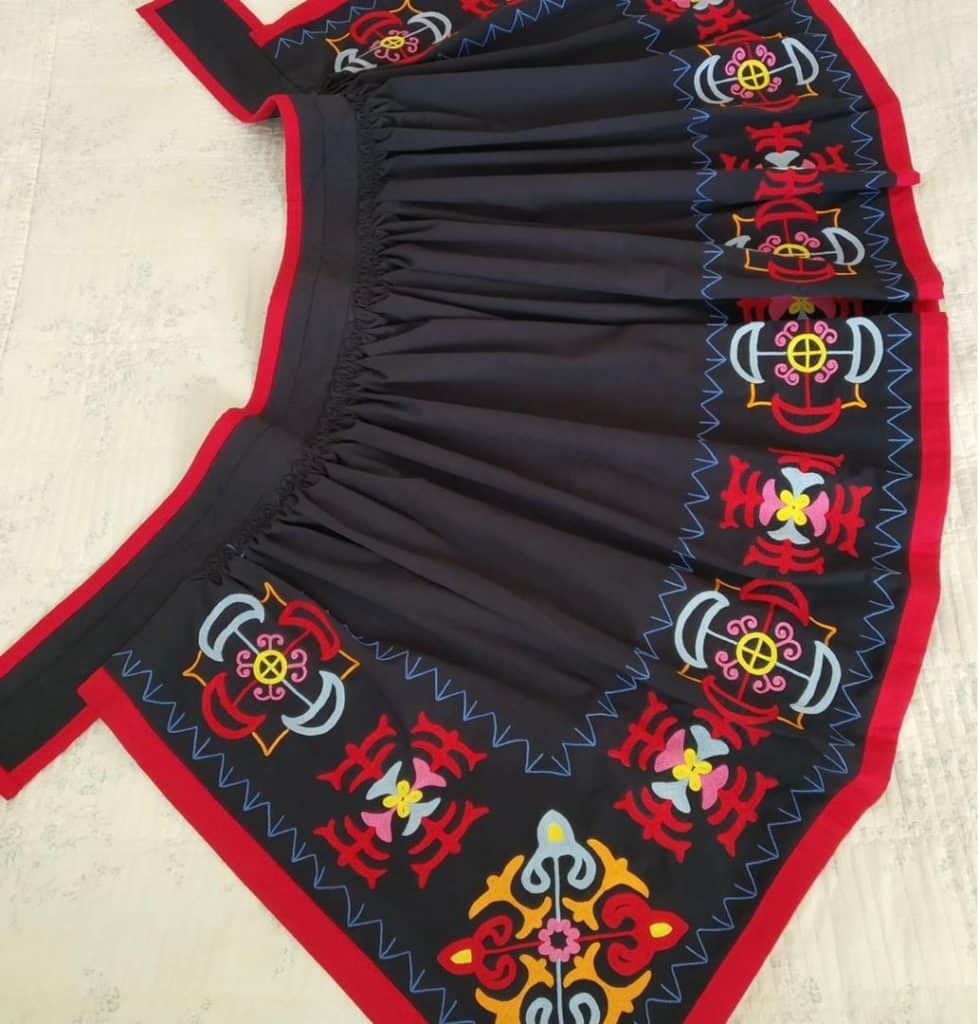
Worn over dresses, especially by married women. Often decorated with ornaments and served as a talisman – protecting the woman’s ‘hearth’.
Bash kiyimder (headdresses):
Elechek – a complex white fabric headdress symbolizing purity and femininity, worn by married women.
Shokulo – a festive tall headdress for girls, richly decorated with silver and coral.
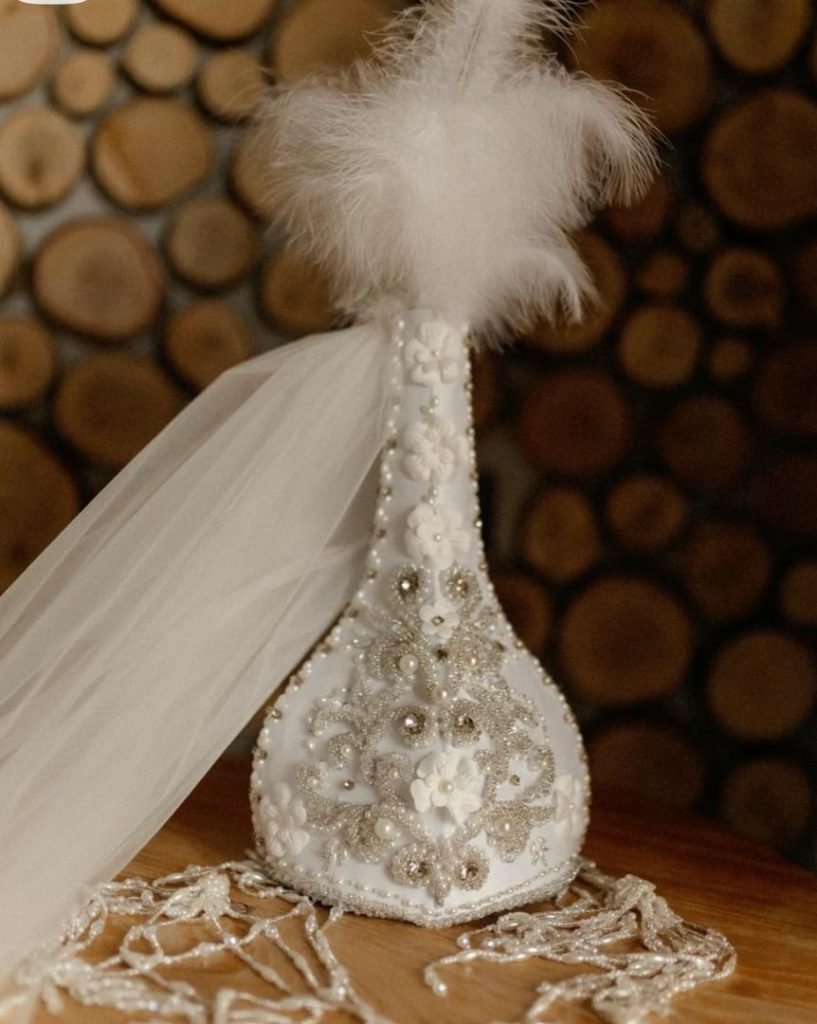
Zhooluk – a scarf, a mandatory element for a married woman.
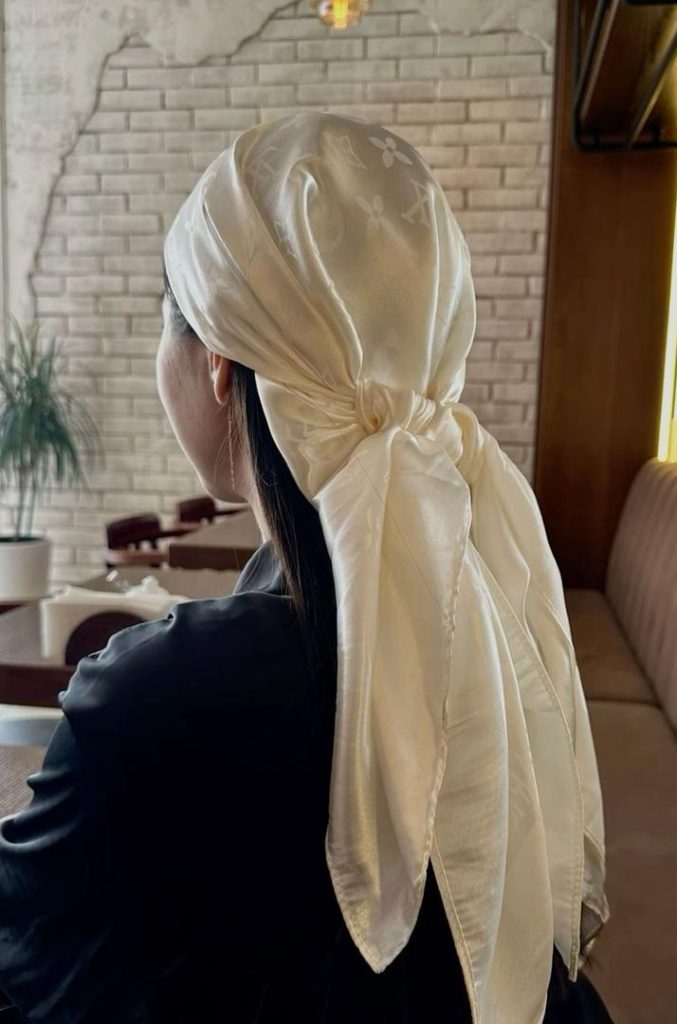
What does ‘koshogo’ mean?
Koshogo literally translates as ‘crossing the threshold’ or ‘entering a new home’.
This is a ritual when the bride enters her husband’s home for the first time. That is, the moment when she officially becomes part of a new family.
Symbolic meaning
For a Kyrgyz woman, ‘koshogo’ is not just a move, but the beginning of a new life.
- She entered her husband’s yurt or house with her head covered (ak zholuk), symbolising modesty and respect.
- The woman bowed before the hearth as a sign of respect for her husband’s ancestral spirits.
- In the house, she was greeted by her mother-in-law and other women of the clan, who sometimes performed the ‘otko kirgizuu’ ritual, meaning ‘introduction to the hearth’.
- She was given the first piece of food or tea as a sign of acceptance into the family.
What this means for women
For Kyrgyz women, ‘koshogo’ means:
- Becoming the mistress of a new household, the continuator of the family line;
- Responsibility and respect — she must maintain harmony between her husband’s family and her own family;
- A symbol of maturity — she goes from being a girl to becoming a ‘kelin’ (daughter-in-law), with a new status, responsibilities, and respect.
Nowadays:
Today, the ‘koshogo’ tradition is kept alive in a symbolic way, especially in families that honor the customs of their ancestors. This ritual usually takes place during the wedding ceremony, when the bride is solemnly brought into the groom’s house. Elderly women greet her with words of advice and blessings — (ak batasy), wishing the new family love, harmony and prosperity.
Then a beautiful white silk cloth, koshogo, is stretched over the newlyweds, under which they can retreat for a moment to share their first words, glances and feelings as husband and wife. This moment symbolizes the purity of their union, the beginning of a new life and the peace that should reign between them.
Thus, the koshogo is not just a cloth, but a sacred sign of unity, trust and blessing, connecting the past and the future, tradition and love.
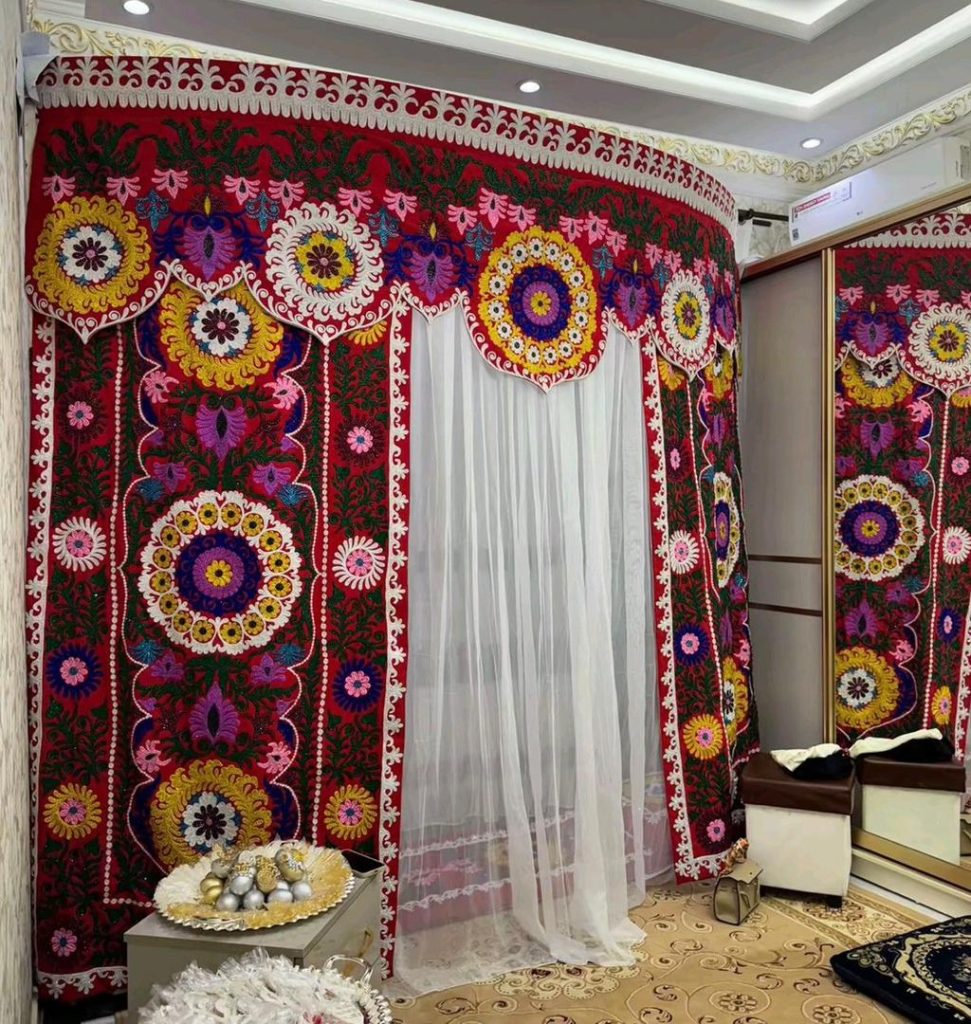
Unusual facts about women in Kyrgyzstan
Here are some unusual and interesting facts about women in Kyrgyzstan that stand out culturally, historically and socially:
- The transition from a nomadic to a modern lifestyle
Traditionally, women played a huge role in nomadic tribes – they took care of children, cooked, wove carpets, and milked animals. At the same time, women often managed their households almost like separate ‘mini-states.’ Today, these skills have been combined with modern professions – from IT to entrepreneurship.
- A strong role in the family economy
In rural areas, women often decide how to allocate the family’s income. They trade at the market, selling dairy products, wool, and handicrafts. Even in cities, it is not uncommon for women to run small businesses alongside their household duties.
- Women artisans
Kyrgyz women make yurts, carpets, embroidery and national costumes. Their craftsmanship is so highly valued that some of their products are sold at international fairs and auctions.
- Education and sport
- Kyrgyzstan has many female leaders in science, education and sport. For example, Kyrgyz women participate in wrestling on an equal footing with men, and some have become world champions in the traditional sport of kyrgyz-kurosh.
Long-lived women and family stereotypes
In our country, it is not uncommon for women to live to be 90+ years old. This is due to their active lifestyle, natural diet and community support. Kyrgyz people also have a genetic predisposition to longevity and endurance. Living in a mountainous and clean ecological environment strengthens the immune and cardiovascular systems.
Large families among Kyrgyz women
- In Kyrgyz society, large families have always been valued, and women have historically given birth to several children — sometimes up to ten. At the same time, they easily coped with raising children, combining care, love and the organization of family life.
- Today, giving birth to five children is considered a significant achievement: a mother who has raised five children receives the status of ‘Mother Heroine’ and is rewarded by the state. This recognition emphasizes the importance of family values and respect for women who are able to simultaneously care for a large family and maintain its harmony.

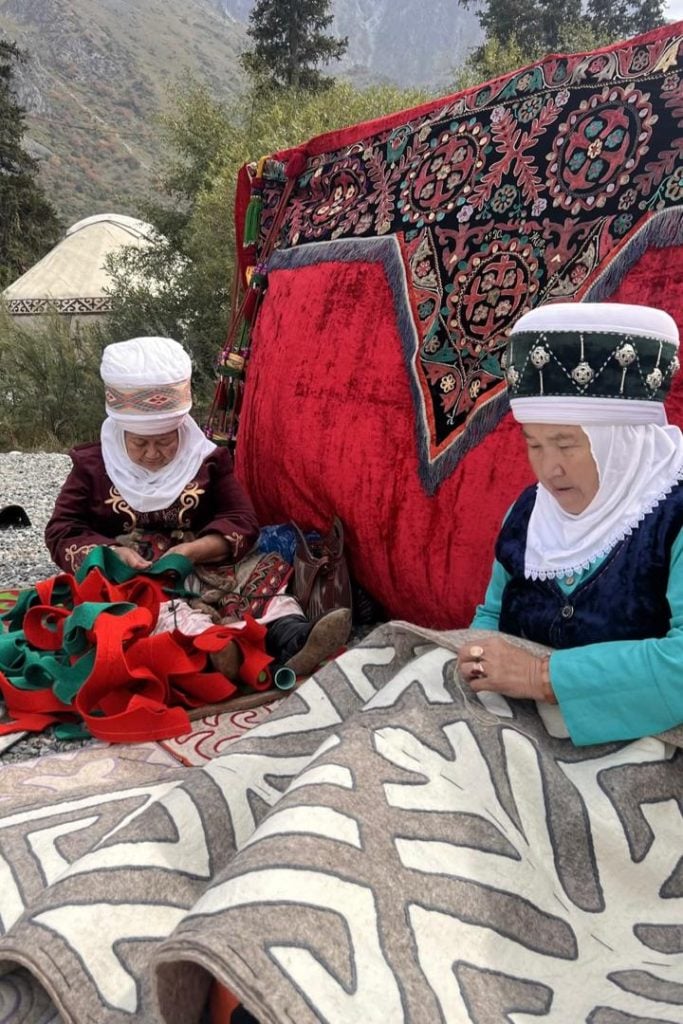
Kyrgyz woman in the kitchen
Kyrgyz women in the kitchen are usually associated with caring for their families, hard work and skill in preparing national dishes. She moves confidently around the kitchen: one eye on the pots, the other on the children or a conversation with relatives. She holds a knife or rolling pin in her hands, surrounded by the aromas of fresh herbs, spices and dough.
What she can cook:
- Beshbarmak — the main national dish, which requires the ability to cook meat properly and prepare thin noodles.
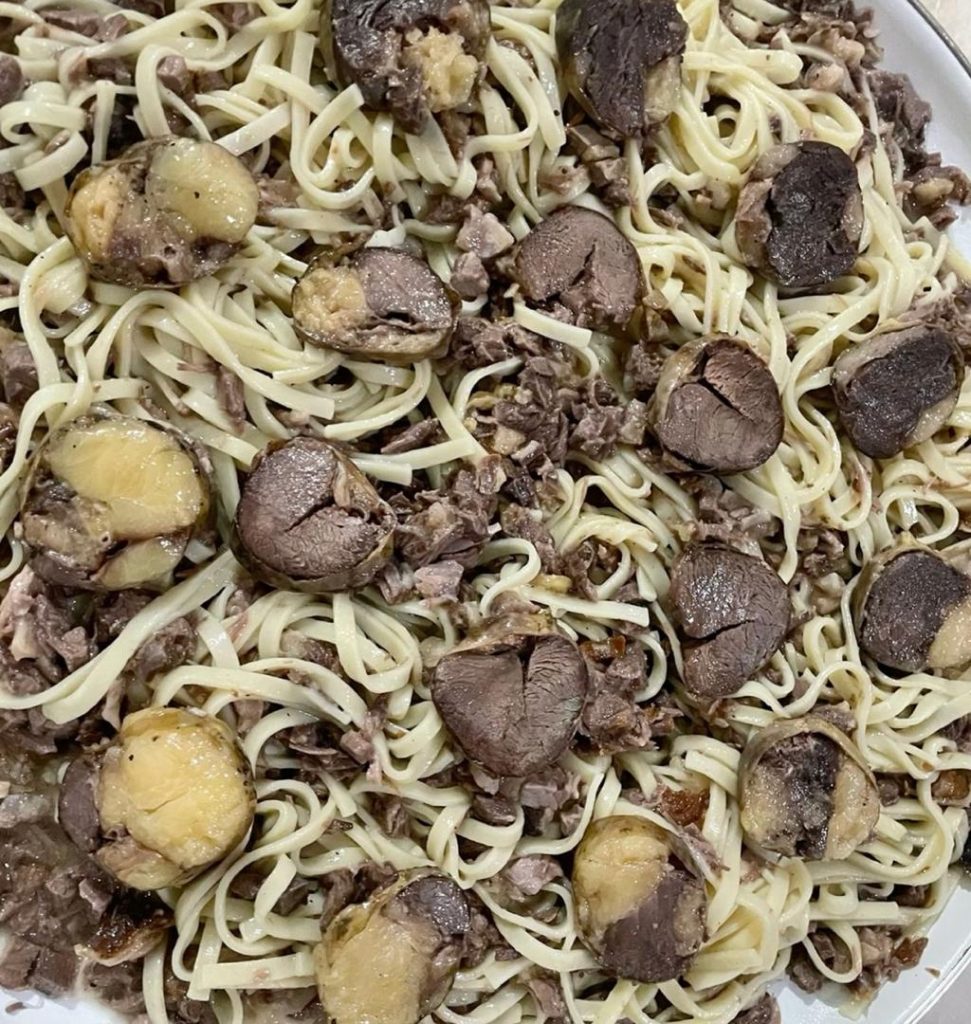
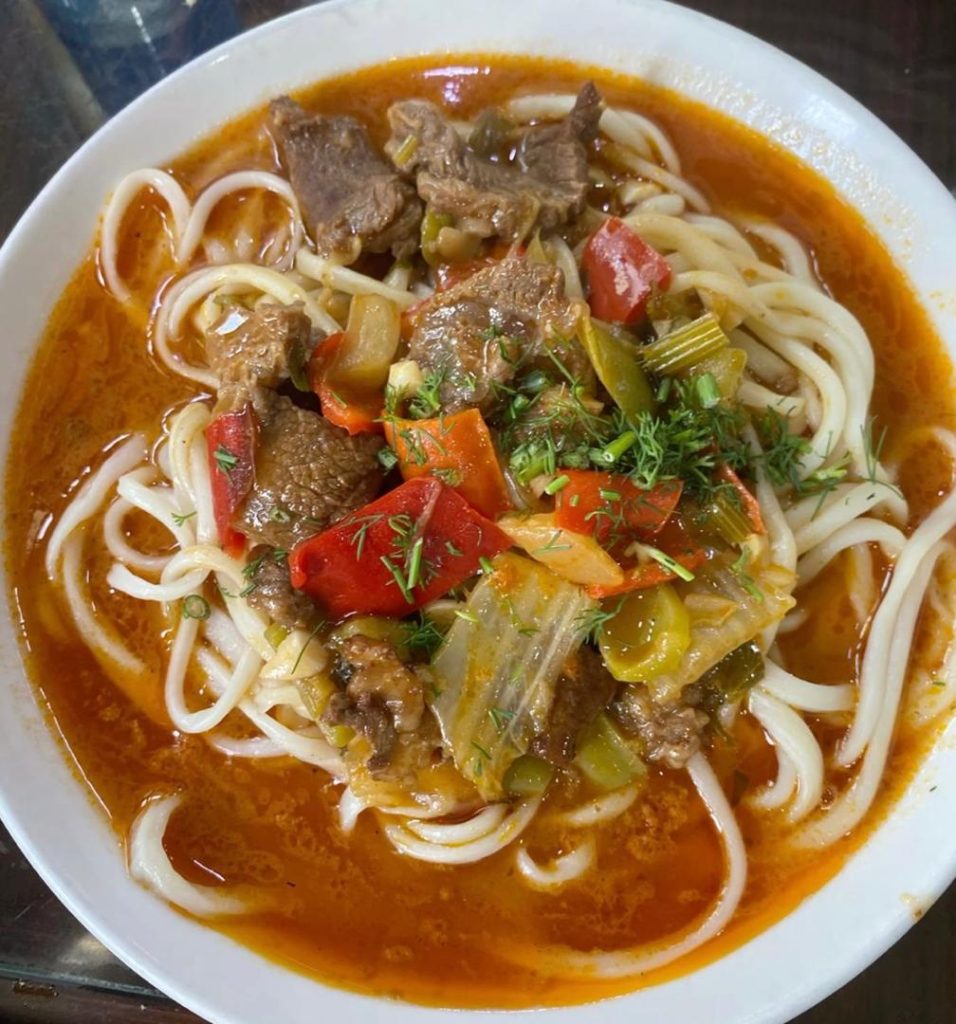
- Lagman — a hearty soup with noodles and meat, fragrant and rich.
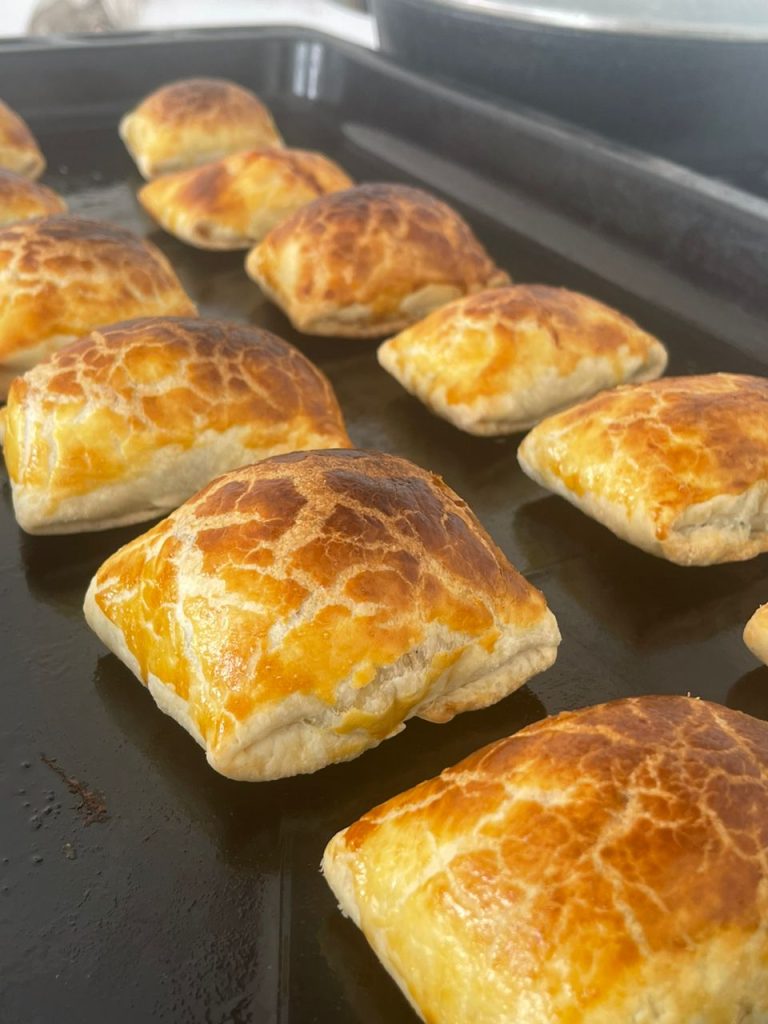
- Samsa and pies — with meat, pumpkin, potatoes; the dough is kneaded by hand, and the filling is generously seasoned with spices.

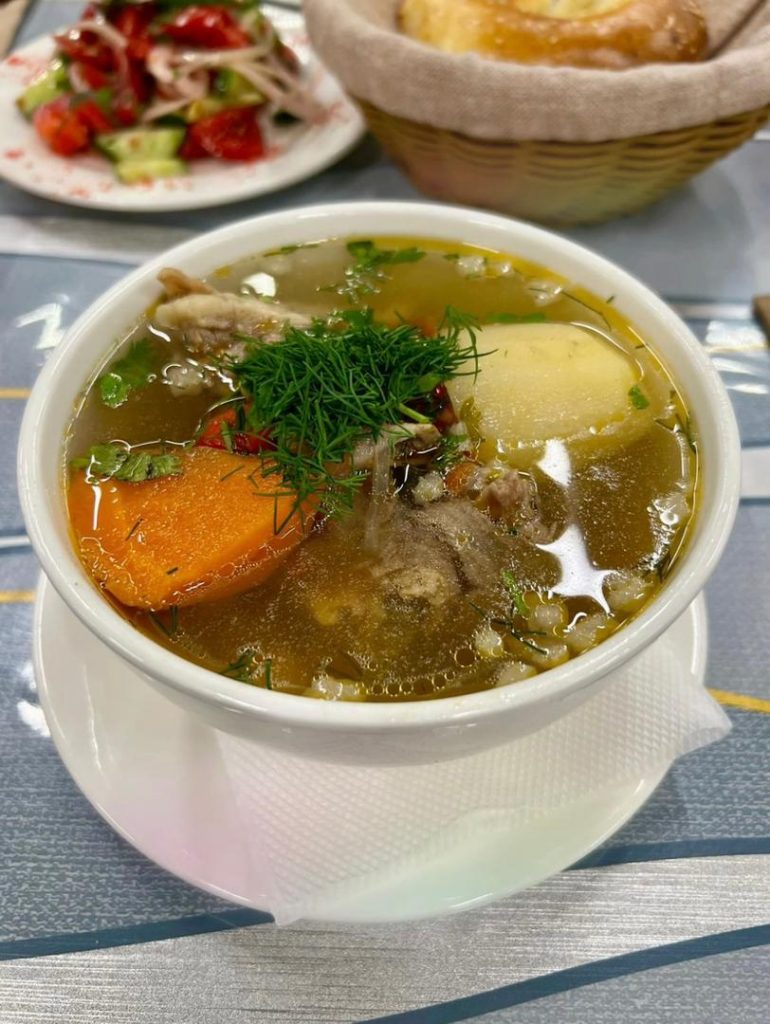
- Shorpo (rich broth) — the basis for many dishes, which requires patience and the ability to sense the taste of meat and seasonings.

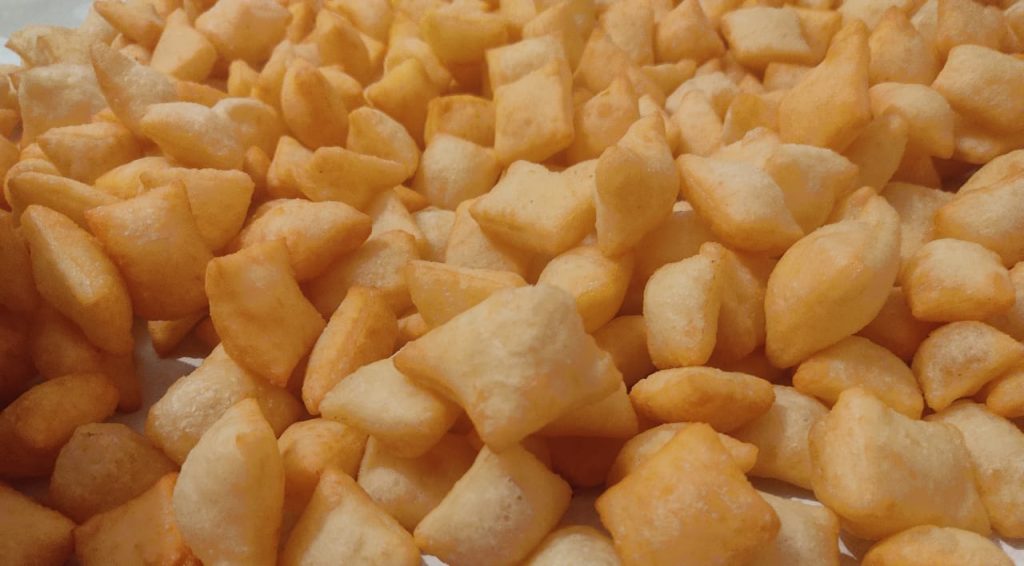
- Boorsok, chak-chak — snacks and sweets that she prepares for the festive table or simply for tea.

She knows not only how to cook, but also how to organise the kitchen, store food properly, and make dishes that are not only delicious, but also beautiful to serve. Her kitchen is the centre of the home, where the family gathers, where the smells and warmth create a cosy atmosphere.
A Kyrgyz woman’s day on the Kyrgyz jailoo
Early in the morning, when the first rays of the sun illuminate the green slopes of the steppe, Kyrgyz women are already up and about. They leave their yurts, breathe in the fresh mountain air and head for their herds. First, she milks the cows and mares, listening to their breathing and carefully watching the calves and foals. She collects the milk in large leather bags, immediately turning some of it into kumis, ayran or cottage cheese to preserve the products for several days.
After milking, the monitoring work begins: she leads the cattle to pasture, checking that no goat or cow has strayed into the bushes or onto a steep slope. Sometimes she has to gather grass or bring food to weakened animals. Returning to the yurt, the woman lights the hearth and cooks food on the fire — hot tea, flatbread, simple porridge. Between tasks, she looks after the children, helps them study and play, while making sure they do not run off to the livestock.
During the day, she may dry grass and prepare hay to feed the livestock on cold nights, or process milk into cheese and cottage cheese, which will then be stored in cool places. The yurt constantly requires care — cleaning, washing, cooking. The work never ends, but the woman does everything with patience and care. She is like the heart of the jayloo, keeping the family and livestock together, combining strength and gentleness, managing the rhythm of life on the pasture.

Marriage of Kyrgyz girls to foreigners
The desire of Kyrgyz girls to marry foreigners is a natural manifestation of their desire for something new, for development and for finding happiness in the modern, open world. Today, borders are blurring, and people from different countries can easily meet, become friends and build strong relationships based on mutual understanding and respect.
Openness to the world and new cultures
Modern Kyrgyz girls are increasingly interested in other cultures and lifestyles abroad. This is not just a desire for change – it is a desire to learn about the world, broaden their horizons and experience something new.
Many girls are keen on learning foreign languages, travelling, and communicating with people from different countries, and in the process of such communication, sympathy and mutual attraction naturally arise.
Love without borders
Marriage to a foreigner is often perceived as a union based on sincere sympathy, respect, and cultural exchange. Foreigners tend to appreciate the kindness, family values, and hospitality of Kyrgyz girls. In turn, girls note the responsibility, openness, and willingness of foreign men to share responsibilities equally. Such relationships are an example of how love knows no national or language barriers.
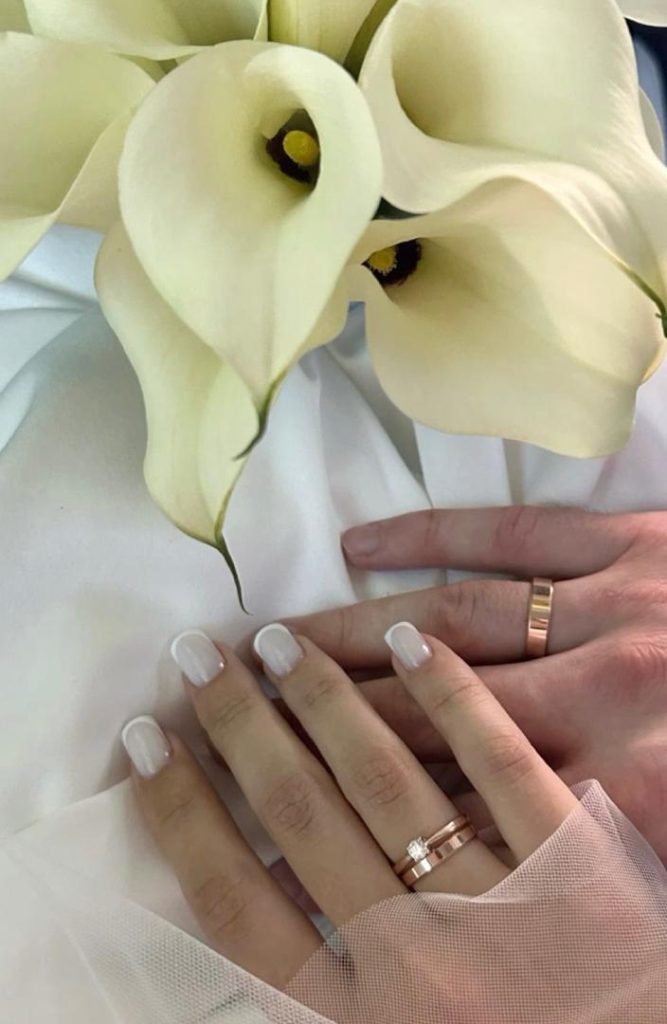
The issue of equality is more relevant now than ever. Over the past decades, the social status of women has changed throughout the world. Women are actively involved in the political, social and economic life of society.
If we talk about the situation in Kyrgyzstan, the role of women in the development of the country’s economy is playing an increasing role, since the number of women entrepreneurs is growing every year. There are more and more projects to support women and help them achieve their goals. The number of women with higher education is also slightly higher than the number of men. Despite the strong influence of traditional views and the fact that the share of the male labor force in the country is higher than that of the female labor force, the opinion that a woman should take care of the house and children, and a man should earn money, is a thing of the past.
It is important to note that Kyrgyzstan is the only country in the region where a woman was president.
Talking about the tourism sector, there are more and more women in tourism. The managers and owners of most of the guest houses and yurt camps are women, specifically women in the regions. The tourism sector supports local residents and, above all, women by helping them develop their businesses.

Many women, when planning a trip to Kyrgyzstan, may have a question: “Is it safe for a woman to travel to / in Kyrgyzstan?” In fact, Kyrgyzstan is a safe country for women traveling alone. The Kyrgyz people are famous for their hospitality, so in any corner of the country I will always be glad to help you, no matter if you are a man or a woman.
Tourists can be in danger in any country in the world, so wherever you travel, you should follow the tips and rules:
– Try to avoid being alone in isolated places,
– when going on a hike, it is better to take a guide
– for complete safety, plan your trip through travel agencies,
– before the trip, familiarize yourself with the basic information about the culture and mentality of the country,
– do not wear too revealing clothes, especially in rural areas where the population is more traditional.

Kyrgyzstan is a safe country to travel for both men and women. Following the recommendations, you will spend an incredible vacation in a country where the locals will win your heart with their hospitality, openness, kindness and sincerity.